



FIFA World Cup 2026 Tickets: Prices, Lottery & How to Buy
Official FIFA World Cup 2026 tickets are sold exclusively through FIFA's official ticketing platform, with prices that started at around $60 for category-four entry seats and ran up to $10,990 for category-one seats at the final. Sales have moved through phased lottery windows since late 2025. This guide covers what's been released, what's still available, and how to avoid getting burned by unofficial resellers.
How to buy tickets through the official channel
The only authorized first-sale channel for FIFA World Cup 2026 tickets is FIFA's official ticketing portal. Every legitimate ticket is digital, linked to a personalized FIFA ID account, and only transferable through FIFA's authorized resale platform. Walking up to a stadium box office on matchday is not part of the plan; if you don't have a digital ticket tied to your profile, you don't get in.
- Create a FIFA IDYou need a verified FIFA account before any sales window opens. Registration takes a few minutes; have a passport or government ID handy for the verification step.
- Apply during the active sales phaseFIFA announces each sales window publicly. During lottery phases, you submit a request specifying which matches and price categories you want. During first-come-first-served phases, demand drains inventory in minutes for marquee fixtures.
- Wait for the allocation resultFor lottery phases, allocations are randomized — there's no benefit to applying early within the window. You receive an email with the matches and seats you've been allocated.
- Complete payment within the windowAllocated tickets are held for a fixed payment period (usually 72 hours). Miss the deadline and the seats go back into the pool.
- Collect the digital ticket on matchdayTickets are released into your FIFA mobile wallet 24–48 hours before kickoff. You can transfer them to verified guests through the official platform.
Sales phases for the 2026 ticket release
FIFA structured ticket sales into multiple phases, each with different rules:
| Phase | Period | Mechanism |
|---|---|---|
| Visa preferred presale | September 2025 | Registration lottery for Visa cardholders |
| Public draw lottery | October–November 2025 | Open to all fans with FIFA ID |
| Random selection sales | December 2025 onwards | Post-draw allocation by random selection |
| First-come-first-served | Rolling, into 2026 | Direct purchase as inventory becomes available |
| Last-minute sales | April 2026 onwards | Returns, hospitality drops, resale |
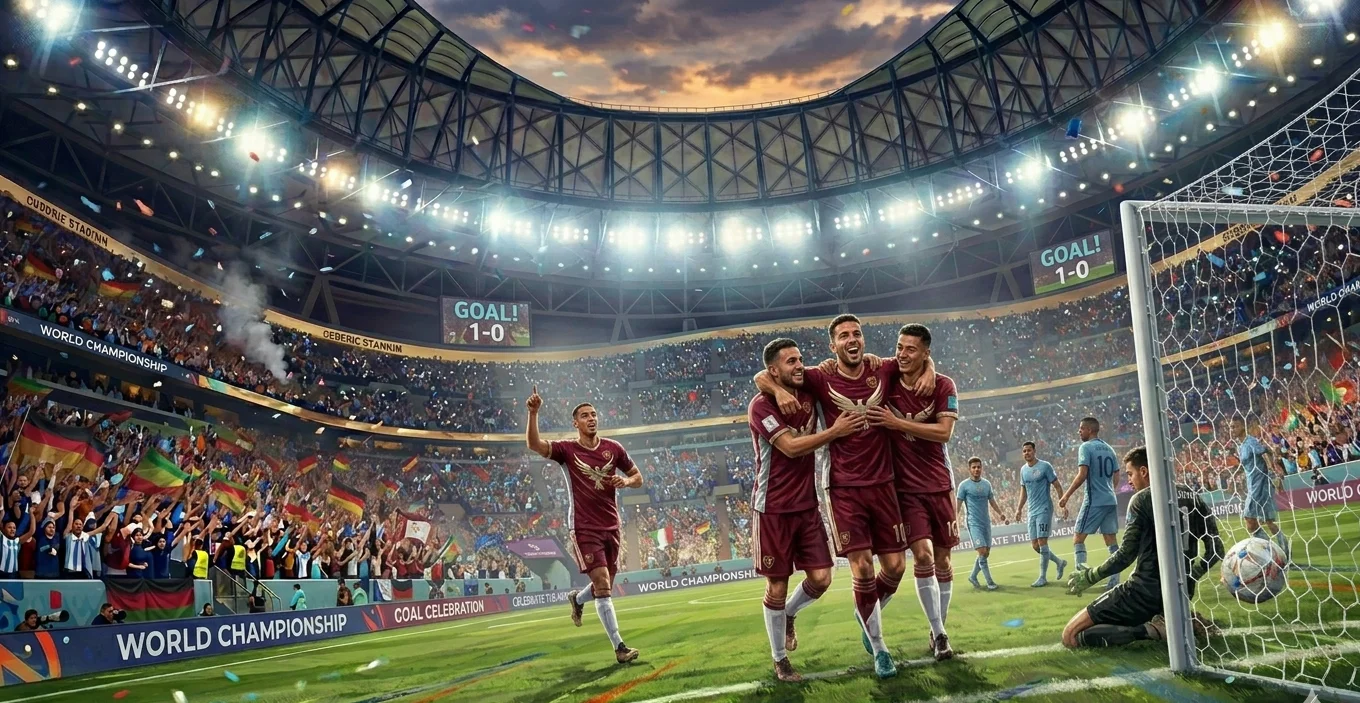
What you'll actually pay: prices by category
FIFA uses dynamic pricing across four seating categories for FIFA World Cup tickets. Category 1 is the premium tier — closest to the action, with the best sightlines and the highest face value. Category 4 is the entry-level tier, often in the upper bowl, and is cheaper than people expect for some matches.
Across the tournament, prices climb steeply as the rounds progress. A category-four group-stage ticket at a non-host nation's match might sell for $80–$120. The same seat category at a quarter-final runs $400–$700. The final at MetLife Stadium starts at the low four figures even in the lowest category, climbing to $10,990 for category-one. Hospitality packages — which include premium seats, food, and drinks — run several multiples of standard face value.
Initial closed-sale tickets to fan-club members in December 2025 saw final tickets retailing above $8,000 in the official direct sale, even before resale markup. Always check the official direct-sale price first before paying a third-party reseller — and remember that any ticket sold outside FIFA's authorized resale platform may be voided at the gate.
The ticket lottery: what to know
The FIFA World Cup ticket lottery is FIFA's mechanism for handling demand that exceeds supply, particularly for marquee fixtures. During a lottery window, you specify the matches you want, the seat categories you'd accept, and the maximum quantity. FIFA's algorithm then allocates available seats by random selection from valid applications.
A few practical points that aren't always obvious:
- Submitting early doesn't help. Within a lottery window, allocation is random. The window length exists so people can apply at their convenience, not so early-birds beat the rush.
- Specifying a wider category range increases your odds. If you mark "any category" rather than "category 1 only", you have more chances to be allocated something.
- Marquee fixtures have absurd application-to-allocation ratios. The final, semi-finals, and host-nation group games are the hardest tickets to land. Less glamorous group fixtures — say, two non-favoured teams in a non-host city — clear more easily.
- Allocations are non-negotiable. You can't "swap" an allocation for a different match. You can resell through the official platform once allocations are confirmed.
How to buy if the lottery passes you over
If you don't get an allocation in your preferred lottery, several real avenues remain:
- Subsequent lottery rounds — additional windows for unsold inventory open through tournament eve.
- Authorized resale — fans who can no longer attend list their tickets for face value (or up to a regulated cap) on FIFA's resale platform.
- Hospitality packages — On Location is FIFA's official hospitality partner. Packages cost more but include guaranteed seats, food, and often pregame entertainment.
- Tour-operator packages — licensed tour operators bundle tickets with travel and accommodation.
The volume of fans chasing limited inventory means scams are widespread. If a deal seems too good to be true — face value tickets to the final from a stranger on a Telegram channel, for instance — it almost certainly is. Stick to FIFA's authorized channels.
Tickets, host cities, and travel planning
If you've landed tickets, the next question is how you get to the venue. The 16 host cities are spread across three countries — see our host cities and stadiums page for the full list and what each venue is hosting. Knockout-round venues differ from group-stage venues, so even if you secure a single round of 32 ticket, you may need to travel between cities depending on which matches you target.
For the broader matchday picture and which dates to plan around, the match schedule is the source of truth. For betting on those matches once you're at the stadium or watching from home, see our homepage for an overview of what SpinBetter has on offer, including a sports welcome pack of up to 500 EUR / USD across five deposits.
Frequently asked questions about tickets
How much do FIFA World Cup 2026 tickets cost?
How does the FIFA World Cup ticket lottery work?
Where can I buy official tickets?
When did FIFA World Cup tickets go on sale?
Can I buy FIFA World Cup tickets in person at the stadium?
Bet on the match while you wait for kickoff
Sports welcome pack at SpinBetter is up to 500 EUR / USD across five deposits, with markets on every match across the tournament. Verify wagering at the operator before claiming.
Open SpinBetter →